Toulouse and its surrounding waterways offer a remarkable canvas for photographers seeking to capture the ethereal beauty of dwindling daylight across shimmering canals. The rich tapestry of French and Spanish influences, combined with the distinctive pink terracotta architecture known as La Ville Rose, creates a unique backdrop for those who wish to document the transition from day to dusk. Whether you are gliding along the historic Canal du Midi or the majestic Garonne River, the experience of photographing the final moments of daylight from a moving vessel presents both creative challenges and extraordinary rewards. This guide will help you navigate the technical and logistical aspects of capturing stunning images during your boat journey through one of France's most photogenic regions.
Planning your golden hour photography experience on toulouse's canals
Understanding Peak Lighting Duration and Seasonal Calendar Variations for Optimal Shots
The duration and quality of golden hour light vary significantly throughout the calendar year, making careful planning essential for photographers aiming to capture the most dramatic sky transformations. During summer months, the sun lingers longer above the horizon, extending the peak lighting period and providing ample opportunity to experiment with different exposures and compositions. Conversely, winter offers a shorter window of optimal light but often delivers more intense colour variations as the solar angle sits lower in the sky. Understanding these seasonal shifts allows photographers to time their boat trips precisely, ensuring they are on the water when the sunlight begins its most spectacular transformation. The Canal du Midi, which stretches 241 kilometres from Toulouse to the Mediterranean Sea, offers diverse vantage points where the interplay between water and sky creates mesmerising reflections that change by the minute.
Choosing the right time of year also influences the atmospheric conditions you will encounter. Autumn and spring often bring variable weather patterns that can produce dramatic cloud formations, adding depth and texture to your images. These seasons also tend to attract fewer tourists, which means less crowded waterways and more serene compositions. Monitoring local weather forecasts and understanding how atmospheric moisture affects light diffusion will help you anticipate the most photogenic conditions. The Via Garona, a 160-kilometre hiking trail that runs parallel to some waterway sections, provides additional perspectives if you wish to scout locations beforehand or combine terrestrial and aquatic photography during your holidays.
Selecting the Best Boat Trip Routes to Admire West-Facing Views Along the Waterways
Identifying routes that offer unobstructed west-facing views is paramount when planning your photographic expedition. The orientation of the canal and river sections determines where the descending solar disc will appear in relation to the waterway, influencing both the composition and the intensity of reflections on the water surface. Routes that curve gently towards the western horizon allow you to admire the gradual descent of light across open expanses, while straighter sections provide symmetrical perspectives that emphasise the linear beauty of these historic waterways. The Garonne River, with its broader width and varied shoreline, offers particularly compelling viewpoints where the interplay between natural and architectural elements creates rich visual narratives.
When selecting your boat trip, consider the heritage and architectural features along the route. Toulouse's waterways are lined with centuries-old structures, including remnants of the work undertaken by Pierre-Paul Riquet, the visionary creator of the Canal du Midi. The canal's construction, completed in 1681 after fifteen years of labour involving 12,000 workers, 63 locks, and 55 aqueducts, has left a legacy of engineering marvels that serve as magnificent foreground subjects. Villages such as Castelnaudary, famous for its cassoulet festival in August, and Capestang, home to the Malpas Tunnel, provide unique opportunities to frame human ingenuity against the natural beauty of the fading day. Whether you choose a luxury hotel barging experience or a self-drive hire boat holiday, ensure your route aligns with the western trajectory of the sun to maximise your chances of capturing breathtaking vistas.
Technical Photography Tips for Capturing the Setting Sun from Moving Vessels
Camera Settings and Equipment for Solar Light Transitions Across the Sky and Water Reflections
Photographing from a moving boat introduces specific technical challenges that require careful attention to camera settings and equipment choices. Shutter speed becomes a critical variable, as you must balance the need to freeze motion against the desire to capture the soft, flowing quality of water reflections. A faster shutter speed minimises the effects of boat movement and vibration, ensuring sharpness in your images, while a slower speed can introduce creative blur that conveys the sense of journeying through the landscape. Using a tripod on a boat is often impractical, so investing in image stabilisation technology, either in-camera or within your lenses, becomes essential for maintaining clarity during these crucial moments of light transition.
Dynamic range is another consideration when documenting the dramatic variation between bright skies and darker water surfaces. The contrast during the zenith of golden hour can exceed your camera sensor's ability to capture detail in both highlights and shadows simultaneously. Bracketing your exposures or using graduated neutral density filters can help manage this challenge, preserving detail in the luminous sky while retaining texture in the reflective water. Pay particular attention to white balance settings, as the warm tones of the descending sun can easily overwhelm automatic settings, leading to either overly saturated or washed-out colours. Manual white balance adjustments or shooting in raw format provide greater flexibility during post-processing, allowing you to fine-tune the colour palette to match your creative vision.
Composition Techniques to Frame Saint-Pierre Bridges and Bay Areas at the Zenith of Golden Hour
Compositional mastery transforms a technically competent photograph into a compelling visual story. When framing bridges such as the historic Saint-Pierre structures, consider how their architectural lines interact with the horizontal expanse of the waterway and the vertical drama of the sky. Positioning these elements along compositional thirds rather than centrally often creates more dynamic and engaging images. The rhythmic pattern of bridge arches can serve as natural framing devices, drawing the viewer's eye towards the focal point of the descending sun or the glowing reflections on the water surface. Incorporating these architectural elements adds a sense of place and narrative depth that elevates your work beyond simple landscape documentation.
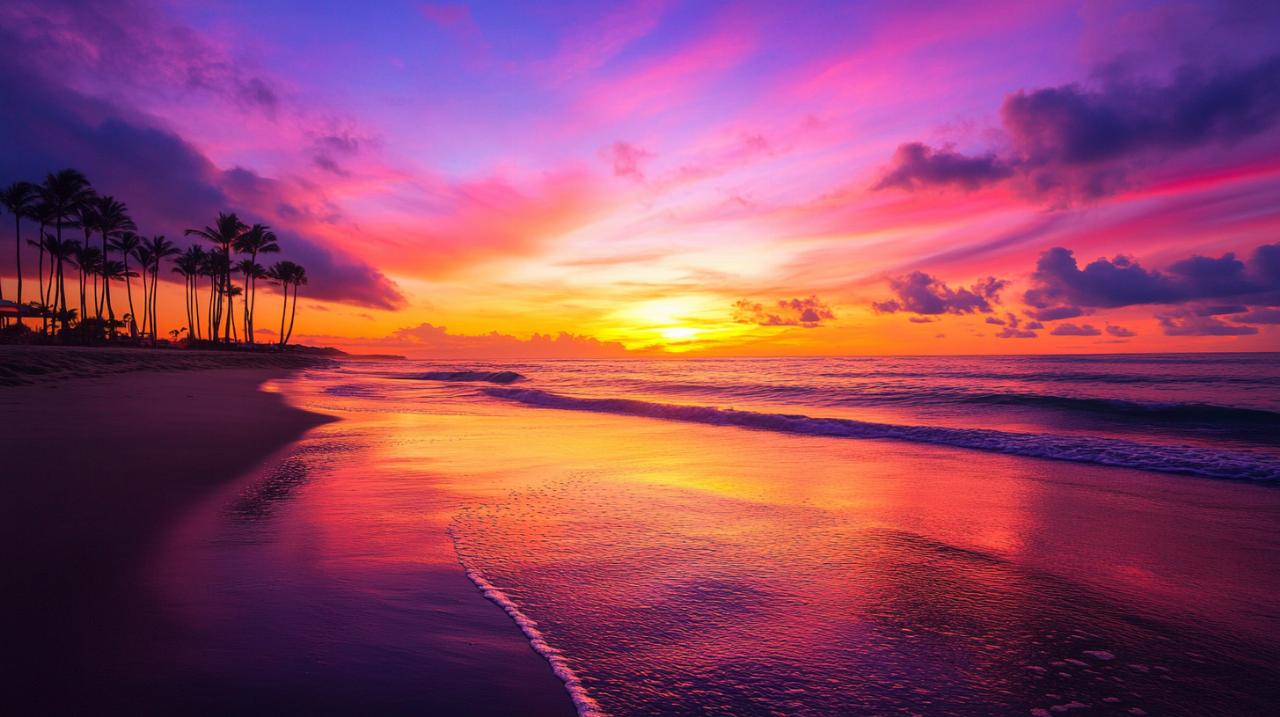
Bay areas and wider sections of the canal offer opportunities to explore more expansive compositions that emphasise the relationship between sky, water, and land. These locations often feature islands or beach-like spots along the Canal du Midi that provide interesting foreground elements. Including these natural features in your frame creates layers of depth and guides the viewer's journey through the image. During the peak lighting period, experiment with silhouettes of canal-side vegetation or moored boats to add graphic interest and contrast. The changing lunar transitions that follow the solar descent can also offer unexpected photographic opportunities, as the interplay between residual sunlight and emerging moonlight creates subtle colour gradations across the sky. This extended period of visual interest means that remaining on the water beyond the conventional golden hour can yield unexpected and rewarding results.
Making the Most of Your Toulouse Boat Photography Experience Throughout the Holidays
Discovering Hidden Islands and Beach-Like Spots Along the Canal du Midi for Unique Photo Opportunities
The Canal du Midi's extensive network, recognised as a UNESCO World Heritage site since 1996, conceals numerous secluded islands and intimate beach-like areas that offer exceptional photographic potential. These hidden gems provide opportunities to disembark temporarily and capture perspectives that differ from the standard canal view. The interplay between reeds, wildflowers, and reflective ponds creates microcosms of natural beauty that contrast beautifully with the engineered precision of the waterway itself. Exploring these locations requires flexibility in your itinerary and a willingness to venture beyond the most frequented routes, but the photographic rewards justify the additional effort.
Many of these secluded spots reveal themselves only to those who travel slowly and observe carefully. The villages dotting the canal route, from Le Somail with its extraordinary bookshop housing over 50,000 volumes to Agde with its distinctive Round Lock, serve as launching points for discovering these quieter corners. The variation in landscape as you progress from the Atlantic-influenced regions near Toulouse towards the Mediterranean characteristics near Sète provides ever-changing subject matter. During school holidays, when families gather to enjoy these waterways, the human element can add warmth and scale to your compositions, though quieter periods may be preferable if you seek purely natural scenes. The Narbonnaise Natural Park, accessible from Narbonne, offers particularly rich biodiversity that translates into complex and layered photographic opportunities.
Enjoying Lunar Transitions and Sunlight Variations After School Hours for Family Photography Sessions
Extending your photography session beyond the conventional golden hour allows you to document the subtle lunar transitions that follow the departure of direct sunlight. This extended period, often overlooked by photographers rushing to pack away equipment, offers a cooler colour palette and softer light quality that can be particularly flattering for family photography sessions. The reflective qualities of the waterway remain pronounced even as the sky darkens, creating opportunities for atmospheric images that convey tranquillity and contemplation. After school hours during weekdays, the waterways become quieter, providing a more intimate setting for capturing candid family moments against the backdrop of Toulouse's architectural heritage.
The cultural richness of the Haute-Garonne region, with its blend of French and Spanish influences evident in the tapas bars and outdoor living traditions, creates a relaxed atmosphere that translates well into natural, unforced photography. The distinctive pink terracotta buildings of Toulouse, particularly visible when illuminated by the last rays of sunlight, provide a warm and welcoming backdrop that complements the cooler tones of approaching twilight. The Saint-Sernin Basilica and Jacobins Convent, both started during the Roman period, offer architectural grandeur that can anchor your compositions and provide context for your family's experience of this historic region. Whether you choose to enjoy a meal cruise or simply drift along the waterways, these moments of transition between day and night offer photography opportunities that capture not just light, but also the essence of shared experience and the timeless beauty of French waterways.