Capturing stunning underwater footage or documenting thrilling water sports activities requires more than just a capable action camera. A reliable waterproof pole transforms your GoPro into a versatile tool, extending your reach whilst ensuring your equipment remains secure in aquatic environments. As February 2025 approaches, the market offers an impressive array of waterproof GoPro poles, each promising unique features and performance characteristics. Understanding the nuances of floatation capabilities, stabilisation technology, and compatibility across various brands helps enthusiasts and professionals alike make informed decisions that enhance their creative output whilst safeguarding their valuable equipment.
Essential Features and Performance of Waterproof GoPro Poles
When selecting a waterproof GoPro pole, understanding the core features that distinguish exceptional products from mediocre alternatives becomes crucial. The ability of a pole to perform reliably in challenging aquatic conditions depends on several interconnected factors that work together to protect your camera whilst delivering superior footage quality. Modern waterproof poles have evolved significantly from simple extension sticks, now incorporating sophisticated materials and engineering principles that address the specific demands of underwater photography and action sports.
Floatation capabilities and water resistance standards
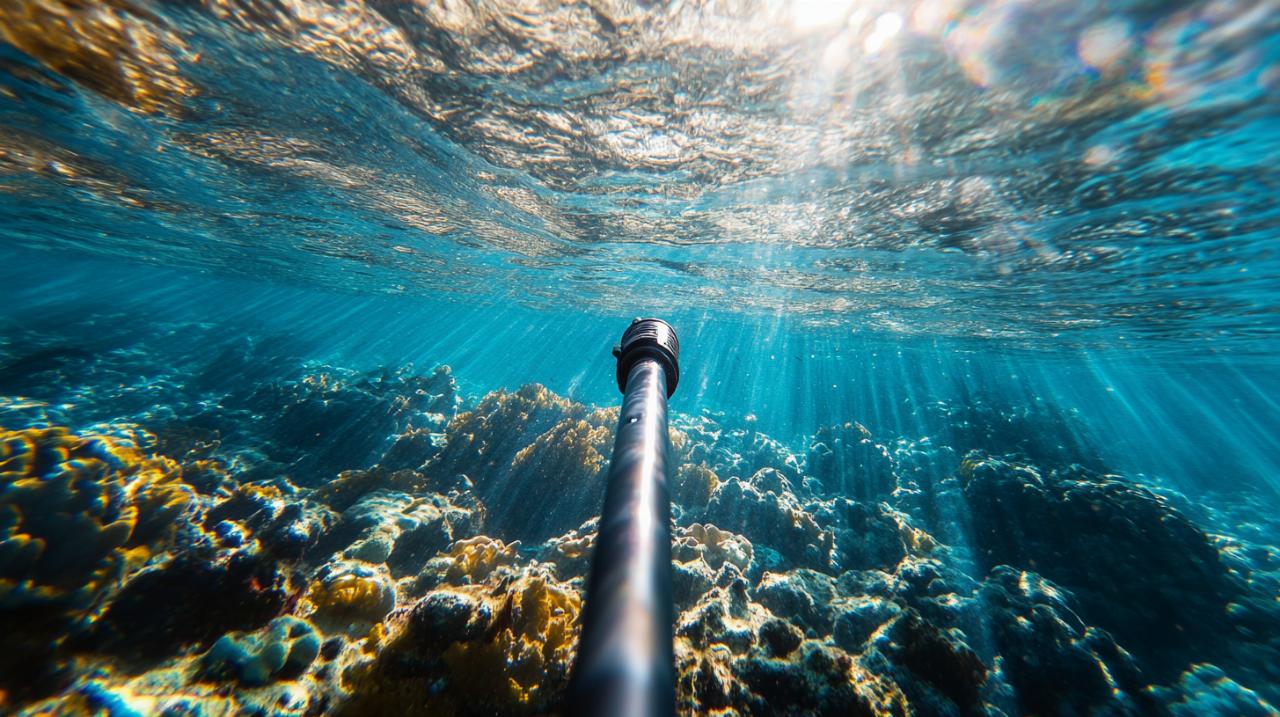
The most critical aspect of any waterproof GoPro pole remains its ability to float when accidentally released in water, preventing the loss of expensive equipment. Quality poles incorporate buoyant materials or specialised foam inserts that keep the entire assembly afloat, even when a camera is mounted. This floatation feature proves particularly valuable during surfing, snorkelling, or kayaking when unexpected submersion can occur. Many premium models feature bright colour schemes, typically vibrant yellows or oranges, making them easily visible against the backdrop of ocean or lake waters. Water resistance standards vary considerably across different manufacturers, with some poles designed for shallow recreational use whilst others can withstand significant depths suitable for serious diving applications. The sealing mechanisms around adjustment points and mounting hardware determine whether water can infiltrate internal components, potentially compromising structural integrity over time. Manufacturers who adhere to rigorous testing protocols often certify their products to specific depth ratings, providing users with confidence in challenging conditions. The balance between floatation and stability requires careful engineering, as excessive buoyancy can make the pole difficult to manoeuvre underwater, whilst insufficient floatation defeats the primary safety purpose.
Stabilisation technology and image quality enhancement
Beyond basic waterproofing, advanced GoPro poles now incorporate stabilisation features that dramatically improve footage quality. Whilst GoPro cameras themselves contain impressive electronic stabilisation systems, physical pole design contributes significantly to reducing unwanted motion and vibration. Ergonomic grip designs with textured, non-slip surfaces allow users to maintain firm control even with wet hands, minimising inadvertent camera movements that create jarring footage. Some premium poles feature integrated shock absorption systems that dampen vibrations transmitted through the pole shaft, particularly beneficial when capturing action from moving watercraft or during high-energy activities. The weight distribution along the pole length affects stability, with well-balanced designs reducing arm fatigue during extended filming sessions whilst maintaining steady framing. Telescoping mechanisms on extendable poles must operate smoothly without introducing wobble or play that would compromise image quality. High-quality locking systems ensure that once adjusted to the desired length, the pole remains rigid and secure throughout use. The connection point between pole and camera mount represents another critical area where precision engineering prevents micro-movements that degrade footage. Users frequently report that investing in poles with superior stabilisation characteristics yields noticeably smoother results, particularly when comparing footage side by side with budget alternatives.
Brand comparison: dji, insta, and leading manufacturers
The waterproof GoPro pole market features several established brands alongside emerging manufacturers, each bringing distinct philosophies to product design and construction. Recognising the strengths and characteristics of different brands helps consumers align their specific needs with the most suitable products. Brand reputation often reflects consistent quality control, customer service responsiveness, and ongoing innovation in response to user feedback gathered from real-world applications.
Build quality and material durability across different brands
DJI has established itself as a premium provider of camera accessories, bringing expertise from their drone and gimbal divisions to their waterproof pole offerings. Their products typically feature aircraft-grade aluminium construction combined with corrosion-resistant coatings that withstand saltwater exposure without degradation. The attention to detail in DJI poles extends to reinforced connection points and precision-machined components that eliminate the looseness often found in cheaper alternatives. Insta poles, designed primarily for their own 360-degree cameras but compatible with GoPro mounts, emphasise lightweight carbon fibre construction that reduces user fatigue whilst maintaining structural rigidity. The carbon fibre approach offers excellent strength-to-weight ratios, though these poles generally command higher prices reflecting the premium materials involved. Traditional action camera accessory manufacturers have responded to competition by improving their material choices, with many now offering fibreglass-reinforced polymers that provide good durability at moderate price points. The quality of telescoping mechanisms varies considerably across brands, with premium manufacturers using brass or stainless steel internal components whilst budget options rely on plastic parts prone to wear. Grip materials range from basic foam to advanced rubber compounds with drainage channels that maintain tactile feedback even when completely saturated. Users who frequently operate in saltwater environments particularly value brands that incorporate sacrificial anodising or special marine-grade finishes, as these treatments significantly extend product lifespan compared to standard painted or powder-coated alternatives.
Price Points and Value for Money Analysis
Waterproof GoPro poles span an impressive price range, from budget offerings around twenty pounds to professional-grade systems exceeding one hundred and fifty pounds. Understanding what drives these price differences helps consumers determine appropriate investment levels for their usage patterns. Entry-level poles typically sacrifice adjustability and premium materials but still provide basic waterproofing and floatation suitable for casual recreational use. Mid-range options, generally priced between forty and seventy pounds, incorporate better materials, smoother extension mechanisms, and improved grip ergonomics that enhance user experience without reaching premium pricing. DJI poles occupy the higher price segments, with their flagship models incorporating proprietary mounting systems and build quality that justifies the premium for professionals and serious enthusiasts. Insta poles similarly position themselves in the upper price brackets, though their specialised design for 360-degree cameras may limit appeal to users focused exclusively on traditional GoPro formats. Value for money calculations must consider longevity alongside initial purchase price, as a durable pole lasting several seasons ultimately proves more economical than replacing cheaper alternatives annually. User reviews consistently highlight that mid-range poles from established manufacturers often represent the optimal balance, delivering robust performance without the premium associated with flagship models. The secondary market for quality poles remains relatively strong, suggesting that well-maintained premium products retain value better than budget alternatives, potentially offsetting higher initial costs. Seasonal sales and promotional periods, particularly evident in February when retailers clear inventory ahead of spring water sports season, can significantly affect pricing dynamics and create opportunities for value-conscious purchasers.
Compatibility and Safety Considerations for Action Camera Poles
Ensuring your waterproof pole works seamlessly with your specific camera model whilst incorporating appropriate safety features prevents frustration and potential equipment loss. The intersection of compatibility and safety represents a crucial consideration that extends beyond simple mounting capability to encompass functional integration and risk mitigation during active use.
Universal mounting systems and camera compatibility
Most waterproof poles designed for GoPro cameras utilise the standard GoPro mounting interface, a three-pronged system that has become an industry standard across action camera manufacturers. This universal approach means that poles marketed for GoPro typically accommodate cameras from other brands including DJI action cameras and various Insta models, provided they include GoPro-compatible mounting adapters. However, compatibility extends beyond simple physical attachment to include weight capacity considerations, as different camera models vary significantly in mass, particularly when housed in underwater cases. Poles designed for lighter GoPro models may struggle with the additional weight of larger cameras or those equipped with auxiliary lighting or microphone accessories. The quality of the mounting screw and receiver mechanism determines how securely the camera attaches, with cheap implementations sometimes allowing gradual loosening during vigorous activity. Some manufacturers offer proprietary quick-release systems that facilitate rapid camera attachment and removal, particularly valuable when transitioning between different shooting scenarios. These advanced mounting systems must maintain absolute security whilst allowing tool-free operation, a engineering challenge that separates premium from basic implementations. Users operating multiple camera types often prioritise poles with proven compatibility across various brands, ensuring their investment remains relevant even when upgrading camera equipment. The trend towards modular accessory systems allows certain poles to accommodate additional attachments such as lights or microphones through auxiliary mounting points, significantly expanding creative possibilities for content creators.
User safety features and functional design elements
Beyond protecting equipment, quality waterproof GoPro poles incorporate features that safeguard users during active deployment. Wrist straps or lanyards prevent accidental pole loss during dynamic activities, though these must attach securely without creating entanglement hazards in aquatic environments. The length and adjustability of safety straps requires careful consideration, as excessively long tethers can become caught on underwater obstacles whilst too-short connections limit operational flexibility. Grip ergonomics directly impact user safety by reducing hand fatigue that could lead to dropped equipment or compromised control during critical moments. Textured surfaces with strategic contouring distribute pressure across the palm whilst drainage channels prevent water accumulation that would create slippery conditions. Some advanced poles feature ergonomic angles between grip and extension shaft, reducing wrist strain during prolonged overhead shooting or when operating at unusual angles. Bright colouration serves dual purposes, enhancing visibility for retrieval whilst also making the pole conspicuous to other water users, potentially preventing collisions during crowded conditions. The overall weight and balance of assembled pole and camera combinations affects user fatigue and control, with well-designed systems minimising the perceived weight through optimal distribution along the pole length. Functional design elements include measurement markings along telescoping sections, allowing users to quickly reproduce preferred extension lengths, and secure locking mechanisms that provide tactile and audible confirmation of proper engagement. Users consistently emphasise that poles combining robust safety features with thoughtful functional design inspire confidence during demanding shooting scenarios, ultimately enabling more creative risk-taking that yields exceptional footage whilst maintaining appropriate equipment and personal safety margins.