
Capturing a beautiful portrait photograph is one of the most rewarding experiences for any budding photographer. The interplay between light, composition, and human connection creates images that speak volumes, freezing moments in time with grace and authenticity. For those just starting out, the journey into portrait photography can feel daunting, but understanding a few fundamental principles can transform your approach and elevate your results dramatically. Natural light, in particular, offers a versatile and accessible tool that can help beginners craft stunning portraits without the need for expensive studio equipment.
Mastering natural light for stunning portraits
Understanding the Importance of Light in Portrait Photography
Light is the very essence of photography, and in portrait photography, it plays an even more critical role. The way light falls on your subject can define mood, highlight features, and create depth that brings an image to life. Understanding how to observe and manipulate light is the first step towards creating compelling portraits. The quality, direction, and intensity of light all contribute to the final result, shaping shadows and highlights that sculpt the face and convey emotion. Mastering these elements allows photographers to transform an ordinary scene into something extraordinary, where the subject truly shines.
Natural light offers a spectrum of possibilities throughout the day, each with its own character and challenges. Early morning and late afternoon light, often referred to as the golden hours, provide soft, warm illumination that flatters skin tones and reduces harsh shadows. Midday sun, while abundant, can create unflattering contrasts and should generally be avoided or modified with reflectors or diffusers. Overcast days offer a natural softbox effect, providing even, diffused light that is ideal for portraits. By learning to read the light and anticipate its behaviour, photographers can plan their sessions to take full advantage of these natural conditions.
Why Natural Light is Often the Best Choice for Beginners
For those new to portrait photography, natural light presents an ideal starting point. It is freely available, requires no additional equipment beyond your camera, and teaches you to observe and work with the environment around you. Unlike artificial lighting setups, which can be complex and require technical knowledge, natural light encourages experimentation and adaptability. This hands-on learning process builds a solid foundation in understanding how light interacts with your subject, making it easier to transition to more advanced techniques later on.
Moreover, natural light creates a sense of authenticity and ease that can help both the photographer and the model feel more relaxed. Shooting outdoors or near windows allows for a more organic interaction, which often results in more genuine expressions and poses. The simplicity of working with natural light also means that beginners can focus on other essential aspects of portrait photography, such as composition, camera settings, and building rapport with their subject, without becoming overwhelmed by technical lighting setups.
Essential camera settings and technical considerations
Choosing the Right Aperture to Create Beautiful Depth of Field
Aperture is one of the most powerful tools in a portrait photographer's arsenal, as it directly influences depth of field and the overall sharpness of the image. A wide aperture, such as f/2.8, allows more light to enter the lens and creates a shallow depth of field, which blurs the background and draws attention to the subject. This effect, often described as bokeh, isolates the model from distracting elements and adds a professional, polished look to your portraits. For beginners, experimenting with aperture settings is crucial to understanding how to control focus and create visual impact.
Using a wide aperture also enables photographers to work effectively in lower light conditions without having to increase ISO significantly, which can introduce unwanted noise into the image. However, it is important to note that a very wide aperture requires precise focusing, as the depth of field becomes extremely narrow. Ensuring that the eyes of your subject are tack sharp is essential, as they are the primary point of connection in any portrait. Practising with different aperture settings will help you develop an intuitive sense of how to balance sharpness and blur to achieve the desired effect.
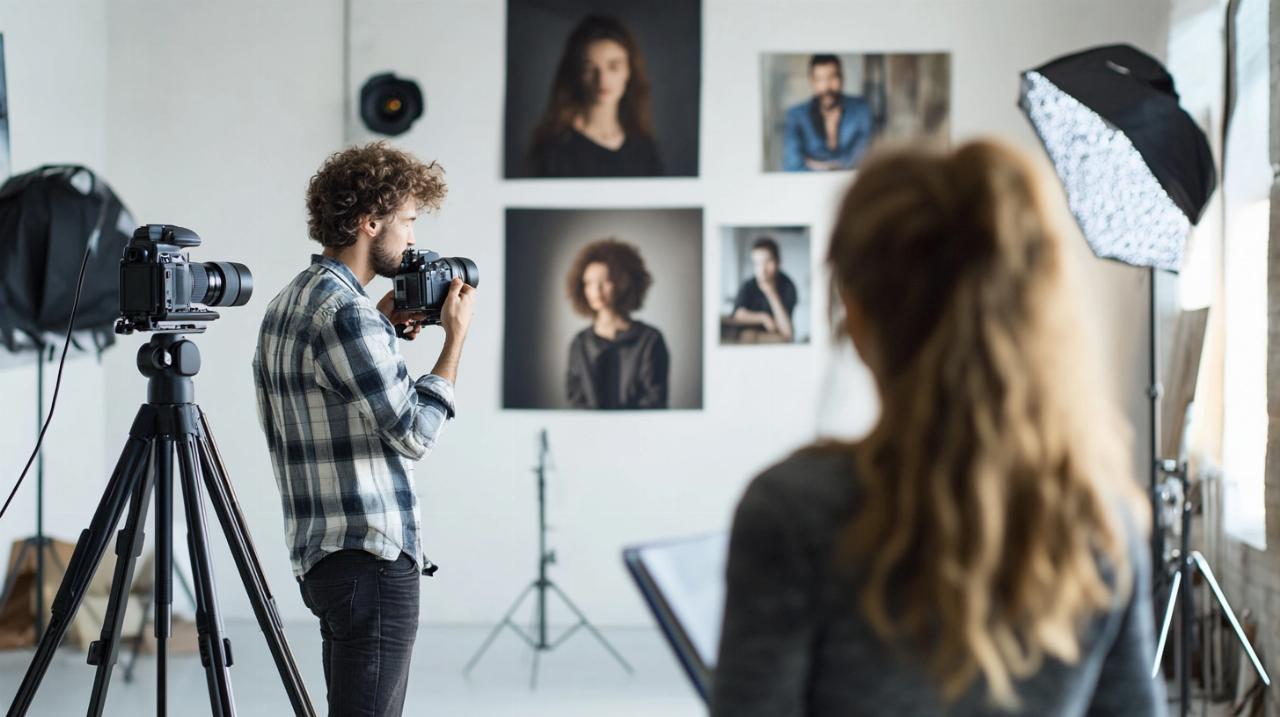
Selecting the Proper Focal Length and Shutter Speed for Sharp Images
Focal length plays a significant role in how your portraits will look, influencing perspective and the way facial features are rendered. For portrait photography, lenses in the range of 50mm to 85mm are highly recommended, as they provide a flattering perspective that closely mimics natural human vision. An 85mm focal length on a full-frame camera, for instance, offers a pleasing compression that minimises distortion and creates beautifully proportioned portraits. These lenses also allow you to maintain a comfortable distance from your subject, which can help them feel more at ease during the shoot.
Shutter speed is another critical consideration, particularly when working with natural light and handheld shooting. A general rule of thumb is to use a shutter speed that is at least the reciprocal of your focal length to avoid motion blur caused by camera shake. For example, if you are using an 85mm lens, aim for a shutter speed of at least 1/85th of a second or faster. If your subject is moving or you are shooting in windy conditions, you may need to increase the shutter speed further to freeze motion effectively. Balancing shutter speed with aperture and ISO, which should ideally be kept at around 100 for optimal image quality, ensures that your portraits are sharp and well-exposed.
Composition and Creative Techniques for Captivating Portraits
Focusing on the Eyes and Experimenting with Different Angles
The eyes are often described as the windows to the soul, and in portrait photography, they serve as the focal point that draws the viewer into the image. Ensuring that the eyes are sharp and well-lit is paramount, as even the most beautifully composed portrait can fall flat if the eyes lack clarity or emotion. When focusing, always prioritise the eye closest to the camera, as this creates a strong connection and anchors the viewer's attention. Encouraging your model to engage with the camera or look naturally into the distance can help evoke genuine emotion and create more compelling portraits.
Exploring different angles and perspectives is another way to add variety and interest to your work. Shooting from slightly above eye level can create a flattering angle that elongates the neck and slims the face, while shooting from below can convey strength or confidence. Side lighting and experimenting with the direction of natural light can also dramatically alter the mood and tone of your portraits. Do not be afraid to move around your subject, crouch down, or stand on a step to find the most interesting and flattering viewpoint. Each angle tells a different story, and discovering what works best for your subject is a key part of the creative process.
Selecting complementary backgrounds and incorporating props effectively
A well-chosen background can enhance your subject and add context to the portrait, while a cluttered or distracting background can detract from the overall impact. When scouting locations, look for simple, uncluttered backgrounds that provide a pleasing contrast to your subject without competing for attention. Natural settings such as parks, urban walls, or architectural features often work well, as they add texture and interest without overwhelming the frame. Planning your colour schemes in advance can also help ensure that the background complements your subject's clothing and overall aesthetic.
Incorporating props can add a layer of personality and storytelling to your portraits, but it is important to use them thoughtfully. Props should feel natural and relevant to your subject, whether it is a musical instrument, a favourite book, or a simple accessory like a hat or scarf. The goal is to enhance the narrative rather than distract from it. Communicate openly with your model about ideas and encourage them to bring items that reflect their interests or personality. This collaborative approach not only makes the session more enjoyable but also results in more authentic and engaging portraits. Practising regularly and reviewing your images will help you refine your skills, build confidence, and develop a unique creative vision that sets your work apart.