In the ever-evolving landscape of consumer drones, the GoPro Karma emerged as an intriguing contender, offering a unique approach to aerial photography and videography. With its detachable camera system and integrated stabiliser, the Karma was designed to appeal to adventurers and content creators seeking versatility and quality. However, the drone market is fiercely competitive, with DJI's Mavic series establishing a formidable benchmark in portability, automation, and performance. This article delves into a comprehensive comparison of the GoPro Karma against its rivals, examining camera quality, flight performance, design considerations, and overall value to determine how this distinctive drone measures up in a crowded marketplace.
Camera Quality and Hero series compatibility: Evaluating the Karma's Visual Prowess
Hero series compatibility and image stabilisation excellence
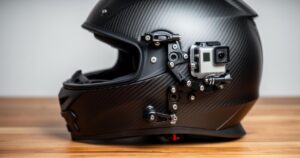
One of the most distinctive features of the GoPro Karma is its compatibility with the Hero series of cameras, which sets it apart from many competitors that rely on integrated imaging systems. This modularity allows users who already own a compatible GoPro camera to leverage their existing equipment, potentially reducing the overall investment required to enter the world of aerial videography. The detachable camera design means that the same Hero camera used for drone flights can be mounted on various other platforms, from helmets to handheld rigs, offering remarkable versatility for creators who demand multi-purpose functionality from their gear.
Central to the Karma's imaging capability is its three-axis stabiliser, a sophisticated piece of engineering that works tirelessly to counteract unwanted movements and vibrations during flight. This stabiliser is crucial for achieving smooth, cinematic footage, as it compensates for the natural oscillations and shifts that occur when a drone navigates through the air. The result is remarkably stable video that rivals the quality produced by much larger and more expensive professional equipment. Unlike systems that rely solely on electronic image stabilisation, which can introduce cropping and reduced resolution, the mechanical stabilisation provided by the Karma ensures that the full sensor area of the Hero camera is utilised, preserving image quality and field of view.
The integration between the Hero series cameras and the Karma drone is seamless, with the drone's remote control providing direct access to camera settings and recording functions. This tight integration allows pilots to adjust exposure, frame rate, and resolution without needing to land the aircraft or fumble with the camera itself. For users familiar with GoPro's ecosystem, this continuity of interface and functionality represents a significant advantage, reducing the learning curve and allowing them to focus on capturing compelling content rather than wrestling with unfamiliar controls.
Video features and resolution capabilities compared to market leaders
When examining video features and resolution capabilities, the Karma's performance is intrinsically linked to the Hero camera model attached to it. The latest Hero cameras at the time of the Karma's release were capable of recording at resolutions up to four thousand pixels in both thirty and sixty frames per second, delivering crisp, detailed footage suitable for professional applications. This level of video quality places the Karma on competitive footing with many rivals, at least in terms of raw resolution and frame rate options.
However, the comparison becomes more nuanced when considering the built-in cameras of competitors such as the DJI Mavic. Whilst the Mavic's integrated camera offers convenience and eliminates the need for a separate purchase, some users have noted that its image quality can occasionally suffer from washed out colours, particularly in challenging lighting conditions. The Karma, by virtue of using GoPro's renowned Hero cameras, benefits from the company's years of expertise in colour science and image processing, often producing more vibrant and true-to-life colours. This distinction is particularly important for professional content creators who require accurate colour reproduction for commercial projects or creative work that demands a specific aesthetic.
The Karma's reliance on the Hero camera system also means that as GoPro releases newer, more capable camera models, Karma users can upgrade their imaging capabilities without purchasing an entirely new drone. This future-proofing aspect represents a significant long-term value proposition, though it does require the initial investment in the camera itself. In contrast, drones with built-in cameras necessitate replacement of the entire aircraft to benefit from improved imaging technology, which can be considerably more expensive over time. The modularity of the Karma system thus offers both immediate performance benefits and long-term economic advantages for dedicated users.
Flight performance and battery longevity: Assessing the Karma's aerial capabilities
Flight stability and control mechanisms in real-world usage
Flight stability is paramount in drone operation, as even minor oscillations or erratic movements can ruin otherwise excellent footage and create an unpleasant viewing experience. The GoPro Karma employs a sophisticated flight control system designed to maintain steady positioning even in moderate wind conditions, utilising GPS positioning and internal sensors to keep the aircraft stable. During typical flying conditions, the Karma demonstrates commendable stability, hovering with minimal drift and responding smoothly to control inputs from the pilot. This predictability makes it accessible to users who may not have extensive drone piloting experience, reducing the learning curve and minimising the risk of crashes due to operator error.
However, the Karma's stability features do have limitations when compared to more advanced competitors. Most notably, the Karma lacks bottom-facing sensors, which are increasingly common in modern drones and provide crucial assistance during low-altitude flight and landing manoeuvres. These sensors help drones maintain stable positioning when flying close to the ground and can detect suitable landing surfaces, significantly reducing the risk of accidents. The absence of such sensors in the Karma means that pilots must exercise greater caution during takeoff and landing, particularly in environments with uneven terrain or limited visibility.
The Karma also does not include automated follow features, which have become increasingly popular among action sports enthusiasts and content creators. These intelligent tracking modes allow drones to autonomously follow a subject, keeping them centred in the frame whilst the pilot focuses on their activity rather than controlling the aircraft. Competitors like the DJI Mavic excel in this area, offering multiple tracking modes and obstacle avoidance capabilities that enable truly hands-free operation. Whilst the Karma's manual control can provide more creative freedom for experienced pilots, the lack of these automated features represents a significant disadvantage for users who want the convenience of autonomous filming or who are new to drone operation.
Battery life assessment during extended flight sessions
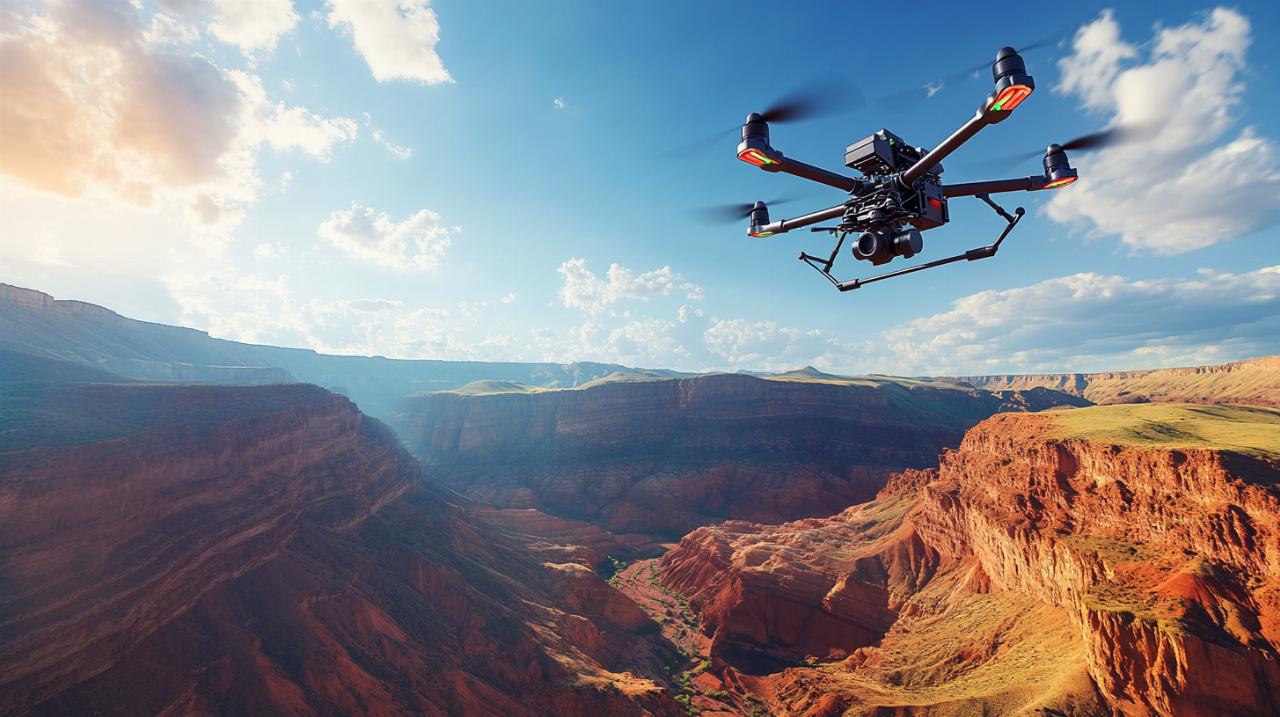
Battery longevity is a critical consideration for any drone, as it directly determines how much footage can be captured during a single session and how practical the aircraft is for extended use. The GoPro Karma offers a flight time of approximately eighteen minutes on a single battery charge, which represents a reasonable but not exceptional performance in the consumer drone market. For casual users or those planning short filming sessions, this duration is generally adequate, providing sufficient time to capture establishing shots, track a subject through a landscape, or document a brief adventure.
However, when compared to the DJI Mavic, which boasts a flight time of twenty-seven minutes, the Karma's battery performance appears less competitive. This nine-minute difference may seem modest, but in practical use, it represents a fifty percent increase in airborne time, which can be the difference between capturing the perfect shot and having to land before the moment arrives. For professional users or those planning complex filming sequences that require multiple takes or extended aerial coverage, the Mavic's superior battery life offers a tangible advantage, reducing the frequency of battery changes and minimising downtime during shooting sessions.
The Karma's maximum speed of thirty-five miles per hour and operational range of approximately two miles provide adequate performance for most recreational and semi-professional applications. These specifications allow the drone to keep pace with many moving subjects and cover substantial distances during exploration or landscape photography. Nevertheless, the Mavic again demonstrates superior capabilities in these areas, with a maximum speed of forty miles per hour and an impressive range of up to four miles. This extended range not only provides greater creative possibilities but also offers an additional safety margin, allowing pilots to venture further from their launch point with confidence that they can safely return before battery depletion.
Design, portability, and value: The complete Karma package
Transport case design and drone dimensions for easy transportation
The GoPro Karma distinguishes itself through thoughtful design choices that prioritise practicality and user experience, most notably in its innovative transport case. Unlike many drones that require disassembly or specialised bags for transportation, the Karma comes with a custom-designed case that accommodates the drone, controller, and accessories in a compact, organised package. This case is not merely protective; it serves as a complete storage solution that simplifies the process of packing and unpacking, ensuring that users can quickly deploy their drone when opportunities for aerial filming arise.
The case itself is constructed from durable materials designed to withstand the rigours of travel, protecting the delicate components of the drone and camera system from impacts and environmental hazards. Its dimensions are carefully considered to maximise portability whilst maintaining adequate protection, striking a balance between compactness and functionality. For content creators who travel frequently or those who wish to take their drone on hiking or camping expeditions, this integrated transport solution represents a significant convenience, eliminating the need to source third-party cases or improvise protective storage solutions.
Regarding the drone's physical dimensions, the Karma occupies a middle ground in the market, being neither the smallest nor the largest option available. When folded for transport, it fits comfortably within its dedicated case, though it does not achieve the remarkable compactness of the DJI Mavic, which can fit into small bags and even large coat pockets. The Mavic's foldable arm design allows it to collapse into a significantly smaller profile, making it the preferred choice for users who prioritise absolute portability and minimal bulk. For those who value the Karma's other features, however, the slightly larger size is a reasonable trade-off, particularly given the comprehensive nature of the included transport case.
Remote control features, touch screen interface, and pricing considerations
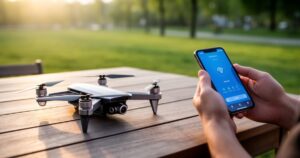
The remote control that accompanies the GoPro Karma is a sophisticated piece of equipment that integrates a touch screen interface, providing pilots with an intuitive method for controlling the drone and camera settings. This touch screen displays critical flight information including battery status, altitude, distance from the controller, and GPS signal strength, allowing pilots to monitor their aircraft's status at a glance. The interface also provides direct access to camera controls, enabling real-time adjustments to exposure, resolution, and frame rate without interrupting flight operations or requiring the pilot to interact with the camera directly.
The controller's ergonomic design prioritises comfort during extended use, with control sticks positioned for natural thumb placement and buttons arranged logically for quick access to frequently used functions. The built-in touch screen eliminates the need for a separate smartphone or tablet, which is a requirement for many competing drones, simplifying the setup process and reducing the number of devices that must be managed during flight. This integrated approach also ensures consistent performance regardless of the pilot's mobile device, avoiding potential compatibility issues or the frustration of discovering that a recently updated smartphone no longer supports the drone's application.
Pricing represents a crucial factor in any purchasing decision, and the GoPro Karma presents an interesting value proposition that varies depending on the buyer's existing equipment. For users who already own a compatible Hero camera, the Karma can be purchased for approximately eight hundred pounds, making it a relatively affordable entry into aerial videography. Complete bundles that include both the drone and a Hero camera range from one thousand to eleven hundred pounds, positioning the Karma competitively within the consumer drone market. In comparison, the DJI Mavic is priced between one thousand and thirteen hundred pounds, which includes the built-in camera and represents a complete ready-to-fly package. Whilst the Mavic's higher price reflects its advanced features, longer flight time, and superior automation, the Karma offers compelling value for those who prioritise modularity and the proven image quality of GoPro cameras. For purchasers seeking convenience, major retailers including Amazon stock both drones, providing accessible purchasing options with reliable delivery and customer service support.