Strapping a GoPro to your motorcycle helmet is one of the simplest ways to capture your rides in stunning detail, but picking the wrong mount can mean shaky footage, obstructed vision, or even a camera that flies off mid-journey. Whether you're recording scenic countryside routes or documenting your daily commute, understanding the range of mounting options available will help you make a choice that's both practical and safe.
The essentials
- Adhesive mounts are a popular and secure choice, provided the helmet surface is properly cleaned and the mount is applied to a suitable curve.
- Chin guard mounts offer a superior first-person perspective and more stable footage compared to top-mounted options.
- It is crucial to verify your specific GoPro model, as Hero series cameras and Session models often require different mounting adapters.
- While third-party accessories are affordable, riders should prioritize high-quality mounts to ensure they can withstand high-speed wind resistance and vibrations.
- Safety is paramount, so mounts must be positioned to avoid obstructing peripheral vision or mirrors while ensuring they do not detach during a ride.
- Riders should consult their helmet manufacturer's guidelines, as some modifications can void safety certifications or warranties.
- Regional laws regarding helmet-mounted cameras vary significantly, making it essential to research local regulations to avoid fines or legal issues.
Essential gopro mounting options for motorcycle helmets
Adhesive mounts: secure and versatile solutions
The most popular choice among riders is the adhesive mount, which uses a strong industrial-grade sticky pad to bond directly to the surface of your helmet. These mounts are brilliant because they sit flush against curved surfaces and, once properly applied, they're incredibly difficult to dislodge, even at motorway speeds. Curved adhesive mounts are specifically designed for the rounded shape of a helmet shell, whilst flat adhesive mounts suit visors or chin bars with a smoother profile. One thing worth remembering is that these mounts need a clean, dry surface to bond properly, so giving your helmet a wipe down before application makes a real difference to how long the mount stays put. The main drawback is permanence; once you've committed to a spot, repositioning isn't straightforward, so it pays to plan your placement carefully beforehand.
Chin guard mounts: optimal positioning for action footage
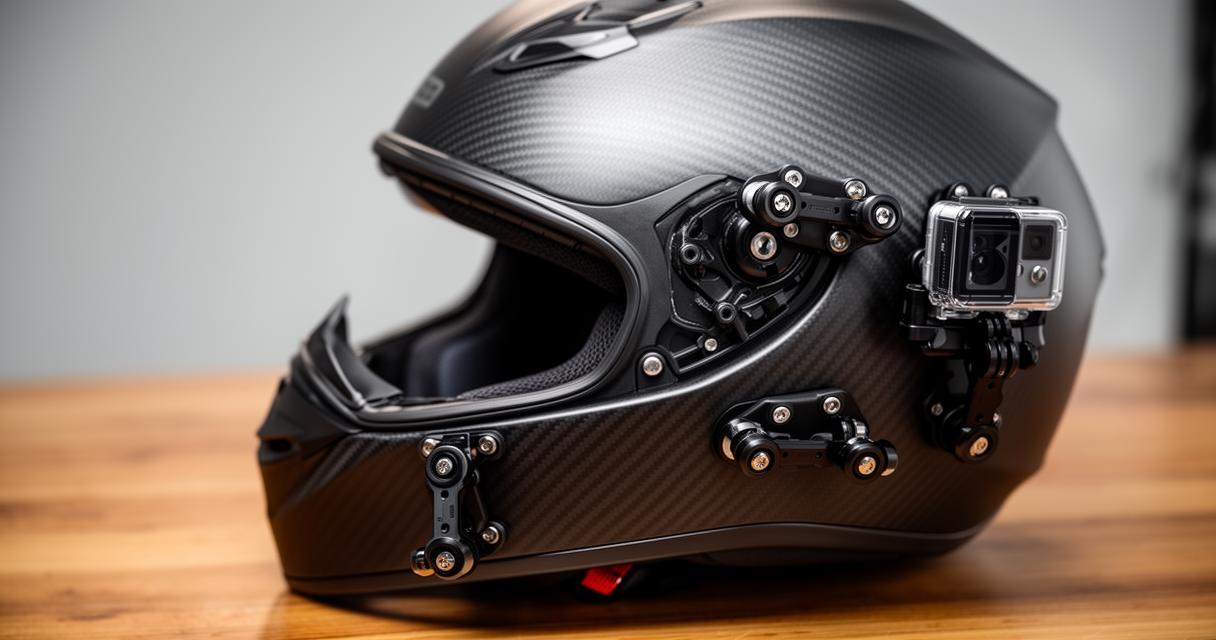
For riders who want that classic first-person viewpoint that really captures the road ahead, a chin guard mount is often the go-to option, particularly for full-face helmets. Positioning your GoPro beneath your chin gives a naturally steady vantage point since this area tends to move less than the top of the helmet during riding. This angle also tends to produce smoother, more cinematic footage because it's closer to your natural line of sight and reduces the wobbling that can happen with head movement. Many riders find this mounting spot strikes the perfect balance between capturing dashboard details, the road surface, and the surrounding scenery all within a single, well-composed shot.
Compatibility and Accessory Considerations for Your GoPro Model
Selecting Mounts for Hero and Session Models
Not all GoPro cameras share identical mounting requirements, so it's worth checking which model you own before purchasing any accessory. The Hero series, including popular versions like the Hero 9, 10, 11, and beyond, typically uses the standard two-pronged buckle mount that's become something of an industry standard. Meanwhile, the more compact Session models often require a specific frame or cage adapter since their smaller, cube-shaped design doesn't naturally fit the traditional buckle system. Getting this wrong can mean an incompatible purchase, so always double-check product listings against your camera's exact model number before committing to buy.
Exploring Mounting Accessories on Amazon and Beyond
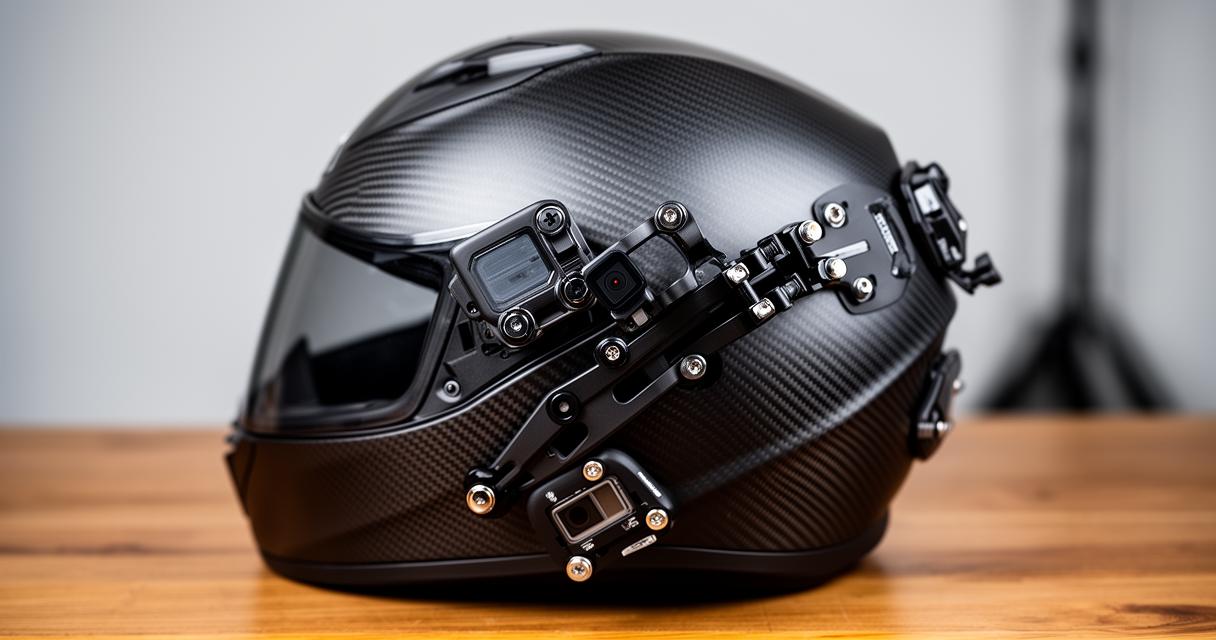
When it comes to sourcing mounts, online marketplaces such as Amazon offer an enormous variety of options, ranging from official GoPro branded accessories to third-party alternatives that often come at a fraction of the price. Whilst these budget options can work perfectly well, it's sensible to read reviews carefully and look for feedback specifically mentioning helmet use, as some cheaper mounts aren't built to withstand the vibration and wind resistance experienced during motorcycle riding. Specialist motorcycle gear retailers and camera shops also stock helmet-specific kits, sometimes bundled with extension arms or swivel adapters that allow for greater flexibility in positioning your camera exactly where you want it.
Safety, Visibility, and Legal Compliance in Helmet Camera Mounting
Ensuring stability whilst maintaining clear vision
Above all else, safety must take precedence when deciding where and how to mount your camera. A poorly secured GoPro risks detaching at speed, potentially causing a hazard for yourself or other road users, so always test your mount thoroughly at low speeds before heading out on longer journeys. Equally important is ensuring the camera doesn't creep into your peripheral vision or block your view of mirrors and instruments. Riders should avoid placing bulky mounts directly in the line of sight and instead opt for slim, low-profile designs that sit unobtrusively to the side or beneath the chin guard. It's also worth periodically checking the mount's grip during your ride, particularly on longer trips where temperature changes and vibration can gradually weaken adhesive bonds.
Understanding regional regulations for helmet-mounted cameras
Legal considerations vary considerably depending on where you're riding, and it's essential to research local rules before fitting any camera to your helmet. In the United Kingdom, there's currently no specific law banning helmet-mounted cameras, though riders remain responsible for ensuring their helmet still meets safety certification standards after modification, since drilling or excessive adhesive use could compromise structural integrity. Some countries take a stricter stance, with certain regions restricting or banning helmet attachments altogether due to concerns about impact safety during collisions. Always check your helmet manufacturer's guidance too, as some explicitly state that attaching accessories may void safety certifications or warranties. Taking a few minutes to research regional regulations could save you from fines, invalidated insurance claims, or unnecessary safety risks down the line.