Venturing into the great outdoors with a camera in hand offers an unparalleled opportunity to capture the raw beauty of nature and the diverse tapestry of landscapes that unfold before our eyes. From windswept coastal cliffs to serene woodland paths, the United Kingdom and beyond present a wealth of stunning photography spots that appeal to both seasoned travel photographers and enthusiastic amateurs alike. Whether seeking the dramatic interplay of light at golden hour or the quiet majesty of ancient stone circles, these locations provide the perfect canvas for creating memorable images that resonate with natural beauty and timeless charm.
Coastal landscapes and seaside vistas
The allure of coastal photography lies in its dynamic range of moods and textures, where the meeting of land and sea creates a visual drama that changes with every passing moment. The United Kingdom is blessed with an extraordinary variety of coastal settings, each offering distinct characteristics that invite photographers to explore new perspectives and techniques. The Jurassic Coast, a UNESCO World Heritage Site stretching along the southern shores, reveals a geological narrative spanning 185 million years. Its towering cliffs, natural sea arches, and iconic lighthouse form compositions that speak to the Earth's ancient history, while the discovery of over 7,000 fossil species along this coastline adds layers of scientific and visual intrigue to every frame.
Dramatic clifftop viewpoints for seascape photography
Standing atop a windswept cliff, the photographer is rewarded with sweeping vistas that encapsulate the raw power and elegance of the ocean. The Norfolk Coast, extending for 90 miles along the eastern edge of England, presents a unique blend of maritime heritage and natural wonder. Its lighthouses stand as sentinels against the horizon, whilst traditional windmills and thriving seal colonies provide subjects that blend human history with wildlife observation. Remarkably, this stretch of coastline boasts some of the darkest skies in Eastern England, making it an ideal location for capturing both daytime seascapes and nocturnal star trails. The interplay of light and shadow across these expansive views creates stunning photography spots that challenge and inspire in equal measure.
Further north, the Isle of Skye offers dramatic rock formations and lochs that have captivated visitors for generations. Covering an area of 1,656 square kilometres and peaking at 992 metres, this Scottish island attracts over 1.6 million visitors annually, all drawn by its otherworldly landscapes. The Old Man of Storr and the Quiraing are legendary among photographers for their jagged pinnacles and mist-shrouded ridges, providing compositions that evoke a sense of timelessness and mystery. These clifftop viewpoints demand patience and an understanding of changing weather patterns, yet the rewards are images that capture the essence of wild, untamed beauty.
Golden Hour at Sandy Beaches and Rocky Shores
The magic of golden hour transforms even the most familiar coastal scenes into works of art, as the low angle of the sun bathes sand and stone in warm, amber light. The soft glow enhances textures, deepens colours, and casts long shadows that add depth and dimension to photographs. Along the southern coast, locations such as Dancing Ledge and Swanage Pier in the Jurassic Coast region offer accessible vantage points where the interplay of light on water creates reflections that shimmer with life. Similarly, the beaches of Broad Haven in Pembrokeshire reveal expansive sands and rugged rock formations that come alive during the fleeting moments of sunrise and sunset.
Photographing these scenes requires an awareness of tidal patterns and weather conditions, as the quality of light can shift dramatically within minutes. The Lake District, with its reflective waters and stone circles, provides a tranquil counterpoint to the more rugged coastal environments. Spanning 2,362 square kilometres and welcoming over 15 million visitors annually, this region is celebrated for its fells, serene lakes such as Derwent Water and Lake Buttermere, and historic stone circles like Castlerigg. Here, the combination of water, sky, and ancient monuments creates opportunities for capturing both grand landscapes and intimate details, all enhanced by the gentle illumination of golden hour.
Woodland settings and natural countryside
The quiet beauty of woodland settings offers a different kind of photographic challenge, one that emphasises texture, pattern, and the subtle interplay of light filtering through canopies of leaves. Ancient forests and tree-lined pathways invite photographers to slow down and observe the intricate details that define these ecosystems. The Brecon Beacons, with its highest peak reaching 886 metres, was designated as an International Dark Sky Reserve in 2012, making it a haven not only for waterfall photography but also for capturing the Milky Way arching over ancient woodlands. The region's waterfalls, framed by moss-covered rocks and verdant foliage, provide compositions that celebrate the enduring power of water shaping the landscape.
Ancient forests and tree-lined pathways
Walking beneath the arching boughs of ancient trees, one encounters a world where time seems to stand still. The dappled light that penetrates the canopy creates a constantly shifting pattern of highlights and shadows, challenging photographers to balance exposure and composition. In Snowdonia National Park, locations such as Ogwen and Llyn Gwynant offer not only mountain vistas but also sheltered valleys where mature woodlands thrive. The interplay of light and dark, the rich greens of moss and ferns, and the gnarled textures of old bark all contribute to images that convey a sense of tranquillity and timelessness.
Exmoor National Park and the Valley of the Rocks in South West England present similarly enchanting woodland settings, where the combination of coastal proximity and inland forests creates microclimates that support diverse flora and fauna. These ancient forests are not merely backdrops but active participants in the photographic narrative, their forms and colours guiding the viewer's eye through the frame. The careful observation of natural patterns and the patience to wait for the perfect moment are essential skills for capturing the essence of these environments.
Rolling hills and meadow wildflower fields
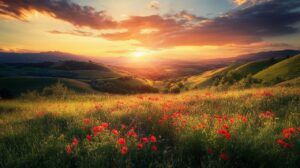
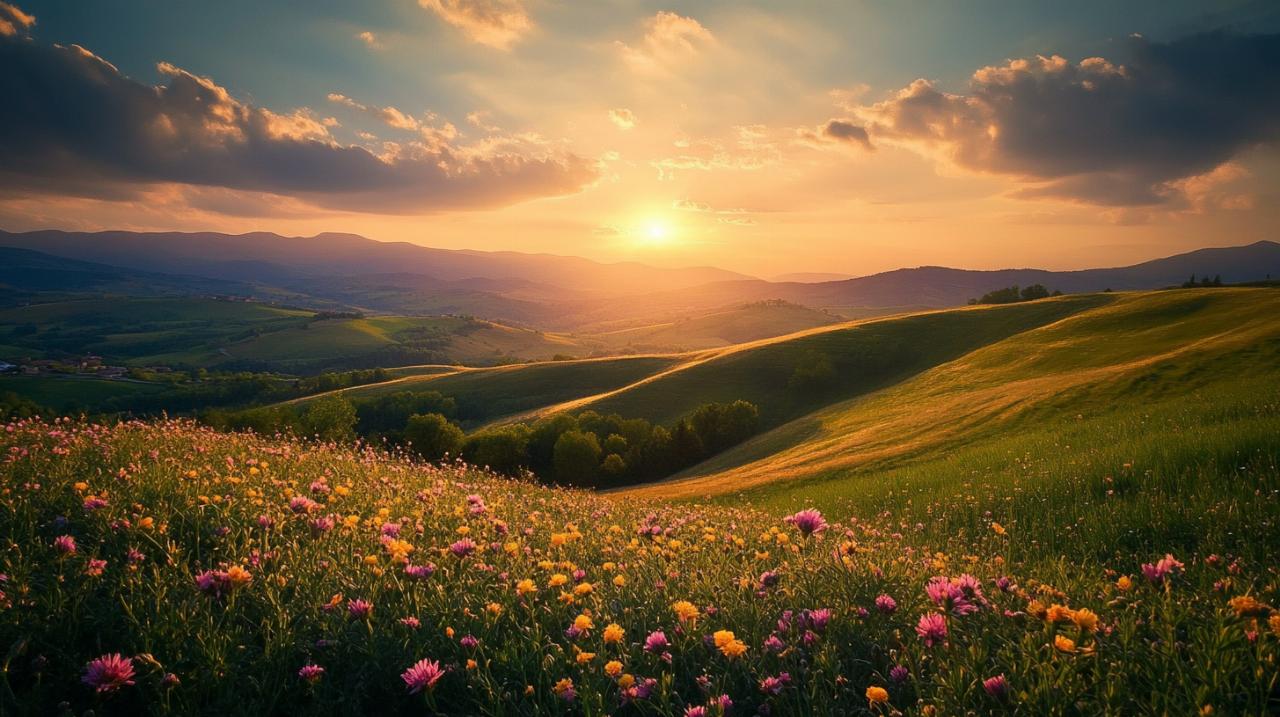
The gentle undulations of rolling hills and the vibrant tapestry of wildflower meadows offer yet another dimension to outdoor photography. The Malvern Hills and Clent Hills in the Midlands provide elevated viewpoints from which to survey the surrounding countryside, with its patchwork of fields, hedgerows, and villages nestled in the valleys below. These landscapes celebrate the pastoral beauty of the British countryside, where human habitation and natural ecosystems coexist in harmony. During spring and summer, meadows burst into colour as wildflowers bloom in profusion, creating foregrounds that add depth and interest to wider compositions.
In Pembrokeshire, the coastal paths also reveal inland meadows where wildflowers thrive in the salt-tinged air, whilst Glencoe in Scotland offers a more dramatic interpretation of rolling terrain, with its moody valleys and peaks reaching 1,150 metres. The site of the 1692 Massacre of Glencoe, this region carries a weight of history that adds emotional depth to landscape photography. The interplay of light on these rolling hills, whether under the soft glow of dawn or the dramatic clouds of an approaching storm, provides endless opportunities for creative expression. Capturing these scenes requires an understanding of composition, an eye for colour harmony, and a willingness to explore beyond the well-trodden paths.
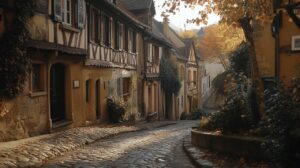
Beyond the British Isles, international photography locations such as the lavender fields of Provence-Alpes-Côte d'Azur in France and the alpine scenery of the Otago Region in New Zealand extend the possibilities for those seeking to document the world's natural beauty. Renowned travel photographer Lisa Michele Burns highlights destinations ranging from the colourful houses of Burano in Italy to the white beaches and turquoise seas of Aitutaki in the Cook Islands, demonstrating that stunning photography spots exist in every corner of the globe. Whether exploring the historic streets of Edinburgh, the coastal villages of Cinque Terre, or the remote rainforests of Vanuatu, the principles of patience, observation, and technical skill remain constant. The journey to capture beauty through photography is as much about the experience of being present in these remarkable places as it is about the images themselves, and every location offers lessons that enrich our understanding of both the natural world and the art of visual storytelling.