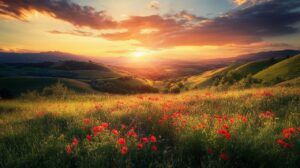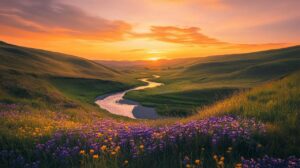
The British countryside offers a wealth of opportunities for photographers seeking to capture the raw beauty of nature. From sweeping valleys to ancient stone formations, these landscapes present endless possibilities for creating memorable images. Whether you are an experienced photographer or simply enjoy taking pictures with your mobile phone, venturing into rural areas can provide a refreshing escape and a chance to document the natural splendour that surrounds us. The key is knowing where to look and how to make the most of the conditions you encounter.
Essential Kit and Techniques for Countryside Photography
Preparing for a photography expedition in the countryside requires careful consideration of the equipment you bring along. A wide-angle lens proves invaluable when capturing expansive rural landscapes, allowing you to include more of the scene within your frame. This type of lens works particularly well for rolling hills, open meadows, and dramatic skies. A sturdy tripod is equally important, especially when shooting in low light conditions or when you want to achieve sharp images with slower shutter speeds. Filters can also enhance your photographs by reducing glare or enriching colours, making them a worthwhile addition to your camera bag.
Choosing the Right Camera Gear for Rural Landscapes
When selecting your photography equipment for countryside outings, consider the type of terrain you will be exploring and the subjects you hope to capture. A versatile camera body that performs well in various lighting conditions will serve you reliably throughout different seasons. If you plan to photograph wildlife, a telephoto lens becomes essential for maintaining a respectful distance whilst still capturing detailed images. For those who prefer travelling light, modern mobile phones offer surprisingly capable cameras that can produce excellent results when used thoughtfully. The Rule of Thirds applies regardless of your device, helping you create balanced and visually appealing compositions. Remember to keep your phone steady and avoid using digital zoom, which can compromise image quality.
Mastering natural light and golden hour shooting
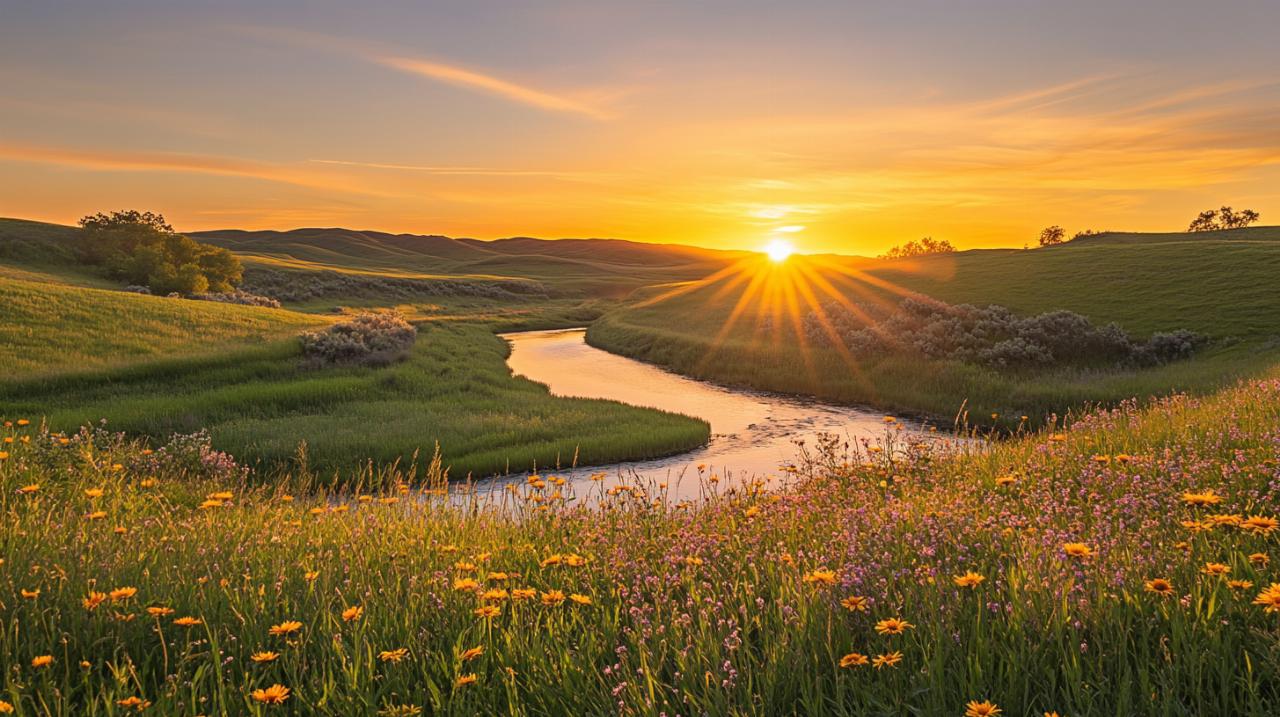
Understanding how natural light behaves throughout the day transforms ordinary photographs into extraordinary ones. The golden hour, occurring shortly after sunrise and before sunset, bathes the landscape in warm, soft light that flatters almost any subject. During these times, shadows become longer and more dramatic, adding depth and dimension to your images. Autumn months between October and November provide particularly favourable conditions, with lower sun angles creating rich golden tones across the countryside. These seasonal changes also bring dramatic weather patterns that can add atmosphere and mood to your photographs. When shooting during midday, seek out shaded areas or wait for clouds to diffuse the harsh overhead sun, creating more even illumination across your scene.
Top countryside locations for breathtaking nature shots
The United Kingdom boasts numerous stunning photography spots within its fifteen National Parks, each offering distinctive characteristics and scenic opportunities. These protected areas serve as havens for photographers, with carefully chosen viewpoints providing inspiring vistas. Dunkery Beacon in Exmoor stands at seventeen hundred and two feet, marking the highest point in both Exmoor and Somerset, where sweeping panoramas reward those who make the climb. Meanwhile, An Ceann Mòr at Inveruglas in Loch Lomond and the Trossachs features an eight-metre high viewpoint reached by thirty-one steps, offering elevated perspectives across the water and surrounding mountains. The Lake District, spanning two thousand three hundred and sixty-two square kilometres, welcomes over fifteen million visitors annually who come to photograph its reflections and ancient stone circles, particularly during the optimal months of October, November, April, and May.
Rolling hills and meadows: finding your perfect composition
Open countryside characterised by gentle hills and flower-filled meadows presents wonderful opportunities for landscape photography. These environments work beautifully when you position elements thoughtfully within your frame, using natural features like hedgerows, paths, or lone trees as focal points. The South Downs offers accessible locations such as Blackdown, standing at nine hundred and twenty feet, and Butser Hill at eight hundred and eighty-five feet, both providing elevated vantage points across undulating farmland. Castell Carreg Cennen in the Brecon Beacons combines architectural interest with natural beauty, whilst Ober Heath in the New Forest showcases the characteristic heathland that defines this ancient woodland. When photographing in these settings, consider how foreground elements can lead the viewer's eye through the image towards distant features, creating a sense of depth and scale.
Woodland Walks and Waterways: Hidden Gems for Wildlife Photography
Venturing into wooded areas and along rivers and streams reveals more intimate photography opportunities where light filters through canopy leaves and wildlife thrives. Brockhole on Windermere in the Lake District provides waterside access where morning mist often creates ethereal conditions perfect for atmospheric images. The Norfolk Coast and Broads excel for lighthouse photography and bird watching throughout the year, with November through January being particularly rewarding for capturing migrating species. Alwinton in Northumberland and Ravenscar in the North York Moors offer quieter locations where patient photographers can observe and document rural life undisturbed. When photographing wildlife, maintaining a respectful distance ensures you do not disturb natural behaviours whilst still capturing compelling images. Always follow the Countryside Code, which helps protect these precious environments for future generations. The Brecon Beacons National Park proves excellent for waterfall photography and stargazing between October and March, whilst Glencoe in Scotland delivers moody valleys and mountain peaks that appear most dramatic during the same period, particularly when weather conditions create atmospheric conditions.