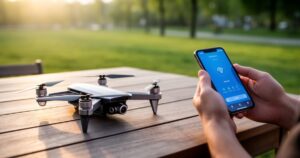
Unmanned aerial vehicles, commonly known as drones, have undergone a remarkable transformation in recent years. Once confined largely to military operations, these sophisticated flying machines have found a vital role in humanitarian efforts across the globe. As organisations seek innovative methods to address the urgent needs of populations affected by disasters, conflicts, and other emergencies, drones have emerged as a powerful tool capable of bridging gaps in traditional response mechanisms. Their ability to operate in challenging environments while delivering critical data and resources has made them indispensable in modern crisis management.
Rapid Assessment and Real-Time Data Collection in Disaster Zones
When disaster strikes, time is often the most precious commodity. Humanitarian organisations must quickly understand the scale and nature of the crisis to allocate resources effectively. Drones have revolutionised this initial assessment phase by providing rapid, comprehensive overviews of affected regions. Their capacity to capture high-resolution aerial imagery enables responders to gauge the extent of damage, identify priority areas, and plan interventions with unprecedented accuracy. The Swiss Foundation for Mine Action has been at the forefront of exploring how unmanned aerial vehicles can enhance situational awareness during emergencies, demonstrating their value in gathering actionable intelligence swiftly.
Surveying inaccessible and hazardous areas safely
One of the most significant advantages of deploying drones in crisis situations is their ability to reach locations that would otherwise pose considerable risks to human personnel. Whether due to ongoing conflict, structural instability, or natural hazards such as flooding or landslides, certain areas remain off-limits to ground teams. Drones circumvent these dangers by operating remotely, allowing humanitarian workers to survey collapsed buildings, assess road conditions, and identify survivors without exposing themselves to harm. This capability not only accelerates the assessment process but also ensures that decision-makers receive vital information that might otherwise remain out of reach. The ULTRA model developed by Windracers exemplifies this advantage, as it can function in extreme weather conditions including high winds, heavy rain, and sub-zero temperatures, making it suitable for even the most challenging disaster zones.
Providing aerial imagery for coordinated emergency response
Beyond initial assessments, drones serve as an ongoing source of real-time data that supports coordinated emergency response efforts. Aerial imagery captured by these unmanned systems can be rapidly processed and shared among multiple organisations, facilitating collaboration and preventing duplication of efforts. For instance, during the Morocco earthquake in 2023 and the devastating floods in Libya the same year, drones played a crucial role in mapping affected areas and guiding relief operations. This visual intelligence helps responders understand population movements, locate makeshift shelters, and monitor the evolving situation on the ground. Furthermore, such imagery can be used to engage donors and policymakers by illustrating the impact of crises in a compelling manner, thereby encouraging financial support and political backing for humanitarian initiatives.
Delivering Critical Supplies to Remote and Cut-Off Communities
The logistical challenges inherent in humanitarian operations are often exacerbated by damaged infrastructure and difficult terrain. Traditional supply chains can be severely disrupted, leaving vulnerable populations without access to essential goods. Drones offer a flexible alternative by transporting supplies directly to those in need, bypassing obstacles that would hinder conventional vehicles. This capability has proven invaluable in contexts ranging from natural disasters to protracted emergencies, where timely delivery of aid can mean the difference between life and death.
Transporting medical equipment and emergency aid
Medical supplies, in particular, benefit enormously from drone delivery systems. Unmanned aerial vehicles can carry medications, vaccines, blood products, and diagnostic equipment to remote or isolated communities within hours of a request. The ULTRA drone, with its payload capacity of up to 150 kilograms and a range of up to 1,000 kilometres, has been specifically designed for such missions. Aviation Sans Frontières has partnered with Windracers to utilise these drones for medical logistics in areas where traditional transport options are unavailable or unreliable. This approach not only saves lives by ensuring rapid access to critical medical resources but also reduces the burden on overstretched ground teams. The ability to land on short, makeshift strips or deliver supplies via parachute drop further enhances the versatility of these systems, enabling them to serve communities in even the most challenging geographic settings.
Overcoming infrastructure damage and geographic barriers
Natural disasters frequently leave roads impassable, bridges destroyed, and airports non-operational. In such scenarios, drones become a lifeline for affected populations. During Cyclone Eloise in 2021 and the South Africa fire disasters in 2017, unmanned aerial vehicles demonstrated their capacity to deliver emergency aid despite widespread infrastructure damage. By flying over rubble, flooded areas, and other barriers, drones ensure that relief supplies reach their intended recipients without delay. This capability is particularly important during the early stages of a crisis, when the window for effective intervention is narrow and the needs are most acute. Moreover, drones can be integrated with other modes of transport, creating hybrid logistics networks that maximise efficiency and coverage. Such systems allow humanitarian organisations to adapt quickly to changing conditions and scale their operations in response to evolving needs.
Enhancing monitoring and security during humanitarian operations
The safety of both aid workers and affected populations is a paramount concern in any humanitarian operation. Drones contribute to this objective by offering enhanced monitoring capabilities that improve situational awareness and enable proactive security measures. Their ability to cover large areas quickly and provide continuous surveillance makes them an invaluable asset in complex and dynamic environments.
Surveilling Large Areas for Population Movement and Safety
Understanding population movements is essential for effective crisis response. Drones equipped with advanced sensors can track the displacement of communities, identify concentrations of people, and detect potential flashpoints before they escalate. This information helps organisations allocate resources more effectively and anticipate emerging needs. For example, in refugee camps, drones can be used to create detailed maps that inform the layout of facilities, monitor overcrowding, and ensure that essential services such as water and sanitation are adequately distributed. While these applications offer significant benefits, they also raise ethical concerns related to privacy and data handling. It is crucial that communities provide consent before drones are deployed above them and that the information collected is managed responsibly. The UAV Code of Conduct serves as a foundational framework for addressing these issues, though broader adoption by donors, private companies, and other stakeholders is necessary to ensure that humanitarian use of drones remains aligned with ethical principles.
Mapping geological features and assessing environmental risks
Beyond immediate security concerns, drones also play a vital role in assessing environmental risks that could pose threats to humanitarian operations. By mapping geological features such as fault lines, landslide-prone slopes, and flood plains, unmanned aerial vehicles help organisations anticipate secondary hazards and plan accordingly. The NORCE research institute has leveraged ULTRA drones for scientific research in Antarctica, demonstrating their utility in extreme environments where human presence is limited. Similar applications in disaster zones enable responders to identify areas at risk of further damage and take preventive measures to protect both aid workers and affected populations. This proactive approach enhances the resilience of humanitarian operations and reduces the likelihood of casualties resulting from unforeseen hazards. Additionally, the data gathered by drones can inform long-term recovery and reconstruction efforts, supporting the transition from emergency response to sustainable development.
Drones have undoubtedly become a cornerstone of modern humanitarian aid, offering capabilities that extend across all phases of disaster management, from mitigation and preparedness to response and recovery. It is estimated that 9.4 million civilian drones were sold worldwide in 2016, reflecting their growing accessibility and affordability. As these technologies become more reliable and easier to use, their potential to transform humanitarian operations continues to expand. However, challenges remain. High costs, infrastructure limitations, a lack of skilled personnel, and regulatory hurdles can hinder the widespread adoption of drone programmes. Ethical concerns about privacy and the risk of weaponisation, as evidenced by instances where even commercial drones have been adapted for harmful purposes by groups such as ISIS, underscore the need for robust governance frameworks. Despite these obstacles, the benefits of drones in crisis situations are undeniable. The selection of Windracers as a key supplier in the UK Government's drone support package for Ukraine, announced on April 15, 2026, highlights the growing recognition of their strategic value. By working together, governments, humanitarian organisations, and private companies can overcome existing barriers and unlock the full potential of drones to save lives, alleviate suffering, and support communities in their darkest hours.