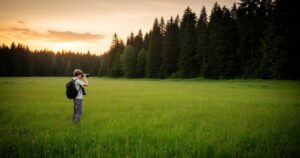
Nestled in the heart of Alsace, Sélestat offers independent filmmakers a remarkable opportunity to capture the essence of French regional charm without the heavy price tag or logistical headaches often associated with larger urban centres. The Ill River, winding gracefully through the town and linking it to Strasbourg and Colmar, serves as both a practical corridor and a visual centrepiece for productions seeking authenticity and atmosphere. For those looking to realize a compelling short film on a modest budget, this waterway and its surroundings present a compelling case, blending natural beauty, cultural resonance, and manageable logistics in a way that few other locales in the region can match.
Sélestat's Cinematic Geography: Navigating the Ill River Corridor for Authentic Alsatian Backdrops
The Ill River meanders through Sélestat with a quiet elegance that immediately catches the eye of anyone scouting for a location rich in visual texture. Unlike the more famous Rhine or the bustling canals of Strasbourg, the Ill here maintains a scale that feels intimate yet expansive enough to frame scenes with depth and movement. The water's reflective surface shifts with the light throughout the day, offering filmmakers a natural palette that changes from soft morning mist to golden afternoon glows and the moody blues of dusk. These seasonal variations add layers of storytelling potential, allowing directors to suggest time, emotion, and place without relying on heavy set design or artificial lighting.
The Ill River as a Natural Stage: Light, Reflections, and Seasonal Textures for Visual Storytelling
For independent productions working with limited resources, the Ill River functions as a readymade stage. The play of light on water creates a dynamic backdrop that can elevate even the simplest of scenes, lending a sense of poetry and movement that static urban environments often struggle to provide. In spring, the banks burst with greenery and wildflowers, while autumn brings a warm spectrum of golds and russets that photograph beautifully on both digital and film stock. Winter, though quieter, offers stark contrasts and a sense of solitude that can underscore more introspective narratives. The reflections in the water can mirror characters' inner states, doubling the visual impact without doubling the budget. This natural versatility makes the Ill River a favourite among directors who wish to shoot multiple scenes in a single location without visual repetition, a practical consideration when funds and time are tight.
Proximity to Strasbourg and Colmar: Leveraging Regional Connectivity for Cast, Crew, and Equipment Access
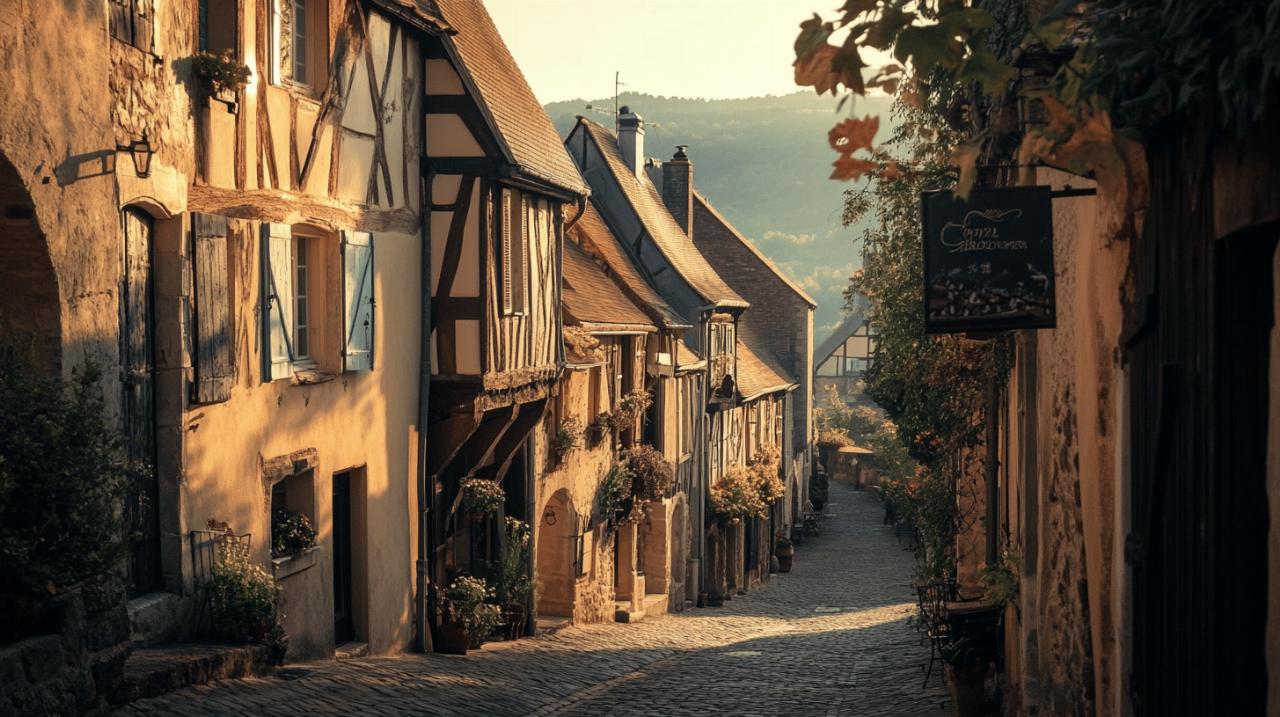
Sélestat sits comfortably between Strasbourg and Colmar, two of Alsace's most vibrant cultural hubs. This positioning is no small advantage for independent filmmakers. Strasbourg, with its larger talent pool, equipment rental houses, and proximity to Paris via high-speed rail, provides easy access to cast and crew members who might otherwise be unavailable for a project based in a more remote location. Colmar, on the other hand, offers its own picturesque streets and historical architecture, but Sélestat strikes a balance, providing a less touristed, more manageable environment for filming without sacrificing accessibility. The short travel distances mean that a day's shoot can involve scenes along the Ill River in the morning and a quick move to nearby vineyards or medieval streets in the afternoon, maximizing production value within a tight schedule.
Practical Considerations for Independent Filmmakers: Permits, Local Support, and Balancing Budgets in Sélestat
Beyond aesthetics, the practicalities of shooting in Sélestat are where the location truly shines for independent productions. Navigating the bureaucracy of filming in France can be daunting, especially for first-time directors or small teams unfamiliar with the nuances of local regulations. Sélestat, however, has cultivated a reputation for being filmmaker-friendly, with municipal authorities who understand the cultural and economic benefits that film productions can bring to the area. The process of securing permits to shoot along the Ill River or in public spaces is generally more straightforward here than in larger cities, where competition for locations and stricter oversight can delay timelines and inflate costs.
Securing Location Rights and Understanding Municipal Regulations: A Streamlined Approach for Small-Scale Productions
The local office in Sélestat has, in recent years, made efforts to simplify the permitting process for small-scale productions. Filmmakers report that the town's officials are approachable and willing to work with producers to find solutions that accommodate both the needs of the production and the daily life of residents. This cooperative spirit can be a lifesaver when unexpected challenges arise on set. For instance, if a planned scene along the riverbank needs to be adjusted due to weather or lighting conditions, local authorities are often flexible about adjusting permits or suggesting alternative locations nearby. This level of support is particularly valuable for independent films operating without the safety net of millions of euros in funding or the backing of major studios. Moreover, the town's modest size means fewer layers of bureaucracy and shorter response times, allowing productions to maintain momentum without lengthy delays.
Carbon Footprint and Sustainable Filmmaking: Reducing Environmental Impact Along the Wine Route and Beyond
Increasingly, filmmakers are mindful of the environmental impact of their work. Travelling long distances, shipping equipment, and the energy demands of shoots all contribute to a production's carbon footprint. Sélestat's compact geography and its position along the Alsace wine route offer opportunities to reduce these impacts. By centralizing a shoot in and around Sélestat, crews can minimize travel, source local catering and services, and even incorporate sustainable practices such as using renewable energy sources or partnering with local environmental initiatives. The region's commitment to preserving its natural landscapes and cultural heritage aligns well with the values of many independent filmmakers who wish to shoot responsibly. This focus on sustainability not only benefits the environment but also enhances the authenticity of the production, grounding it in a real community with shared values rather than treating the location as a disposable backdrop.
Cultural and industry context: positioning sélestat within france's evolving independent film landscape
To fully appreciate why the Ill River and Sélestat more broadly remain attractive to independent filmmakers, it helps to situate the town within the broader context of France's film industry. The country has a storied tradition of supporting cinema, from the grand stages of Cannes to the grassroots efforts of regional festivals. Yet recent political and economic shifts, including ongoing debates in the National Assembly over arts funding and pension reform under the presidency of Emmanuel Macron, have created a climate of uncertainty for many in the creative sectors. Independent productions, often the most vulnerable to budget cuts and policy changes, are increasingly looking for locations that offer value, flexibility, and a sense of stability.
From Cannes to Regional Festivals: How Alsace's Lesser-Known Locales Compete for Attention Amidst National Assembly Reforms and Arts Funding Debates
The glamour of Cannes and the prestige of festivals held in Paris can overshadow the contributions of smaller, regional efforts. However, Alsace has quietly built a network of film festivals and industry events that champion local talent and provide platforms for emerging voices. Sélestat, whilst not yet a household name in cinematic circles, benefits from this regional momentum. The town's involvement in these festivals, alongside its picturesque settings, positions it as a practical choice for filmmakers who want their work to stand out without the noise and expense of more famous locales. Moreover, in the current political climate, where reforms affecting pensions, public services, and cultural funding dominate headlines, independent filmmakers are seeking locations where they can maximize their creative output while keeping costs in check. Sélestat's affordability and accessibility make it a sensible alternative to more costly urban environments, allowing directors to allocate their budgets toward storytelling rather than logistics.
Women in Independent Productions: Spotting Emerging Talent and Diverse Voices in Sélestat's Growing Film Community
Another dimension of Sélestat's appeal lies in its growing reputation as a welcoming space for diverse filmmakers, including women and other underrepresented groups in the industry. Independent cinema has long been a space where new voices can emerge, and the town's supportive environment encourages this diversity. Local initiatives aimed at promoting gender equality in production roles have begun to take root, with workshops, networking events, and mentorship programmes designed to help aspiring filmmakers break into an industry that has historically been dominated by men. This focus on inclusivity not only enriches the local film community but also attracts productions that value representation and wish to collaborate with a wider range of talent. For a short film seeking to capture nuanced stories and perspectives, the opportunity to work alongside a diverse crew in a setting that actively supports such efforts adds an extra layer of authenticity and purpose to the project. The Ill River, with its timeless beauty and adaptability, becomes not just a location but a symbol of the collaborative, inclusive spirit that defines independent filmmaking at its best.